The Best Vegan Protein Sources: A Complete List
The best vegan protein sources with protein per 100 g: seitan, tofu, tempeh, lentils, chickpeas and more — plus complete-protein tips and how much protein vegans need.
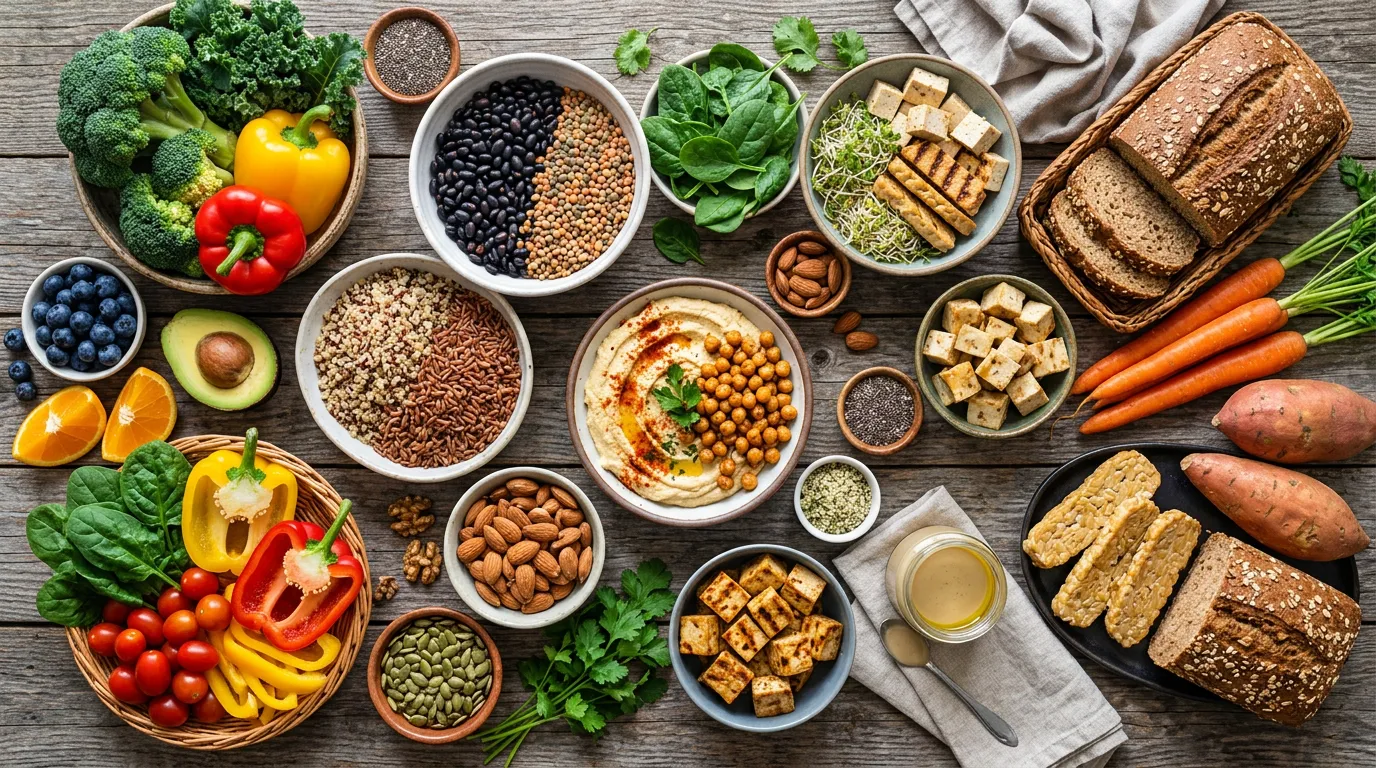
Getting enough protein on a plant-based diet is easier than most people think. With the right foods, vegans can comfortably meet — and exceed — their protein needs. This guide lists the best vegan protein sources, explains the "complete protein" question, and shows how much you actually need.
The "incomplete protein" myth
You may have heard that plant proteins are "incomplete." It's true that most single plant foods are lower in one or two of the nine essential amino acids (legumes are lower in methionine, grains lower in lysine). But you do not need to combine them in the same meal. As long as you eat a variety of plant proteins across the day, your body pools the amino acids it needs. Soy, quinoa, buckwheat, hemp and amaranth are, in fact, complete proteins on their own.
Classic complementary pairs: rice + beans, hummus + wholegrain pita, lentils + wholemeal bread, peanut butter on wholegrain toast.
Top vegan protein sources (whole foods)
Approximate protein content per 100 g, as commonly eaten:
| Food | Protein / 100 g | |---|---| | Seitan (wheat gluten) | ~25 g | | Tempeh | ~19 g | | Tofu (firm) | ~15 g | | Edamame | ~11 g | | Lentils (cooked) | ~9 g | | Chickpeas (cooked) | ~9 g | | Black beans (cooked) | ~8 g | | Green peas | ~5 g | | Quinoa (cooked) | ~4.4 g |
Legumes are the backbone of a high-protein vegan diet: cheap, rich in fibre, and packed with micronutrients. Soy foods (tofu, tempeh, edamame, soy milk) stand out because they are complete proteins with an excellent amino acid profile.
Nuts, seeds & grains
These are protein-rich and energy-dense — great in smaller amounts:
| Food | Protein / 100 g | |---|---| | Hemp seeds | ~31 g | | Pumpkin seeds | ~30 g | | Peanuts | ~26 g | | Almonds | ~21 g | | Chia seeds | ~17 g | | Oats | ~13 g | | Nutritional yeast | ~50 g (used in small amounts) |
Vegan protein powders
When whole foods aren't enough — for athletes or during a calorie deficit — plant protein powders help close the gap:
- Soy protein isolate — complete profile, ~27 g per 30 g scoop, well studied for muscle building.
- Pea protein — high in the branched-chain amino acid leucine; often blended with rice protein for a complete profile.
- Rice protein — easily digestible, best combined with pea protein.
How much protein do vegans need?
General guidance is 0.8 g per kg of body weight for sedentary adults, but active people and those building muscle benefit from 1.6–2.2 g per kg. Vegans are sometimes advised to aim for the higher end (roughly 10% more), because plant proteins are slightly less digestible and lysine can be limiting. Prioritising soy foods and legumes easily covers this.
A high-protein vegan day (example, ~110 g protein)
- Breakfast: Oats with soy milk, chia seeds and peanut butter (~25 g)
- Lunch: Lentil & chickpea bowl with quinoa and roasted vegetables (~30 g)
- Snack: Edamame + a handful of almonds (~20 g)
- Dinner: Tofu or tempeh stir-fry with wholegrain rice and broccoli (~35 g)
Frequently asked questions
Can you build muscle on a vegan diet?
Yes. Total daily protein and progressive training matter far more than whether protein is animal or plant based. Hitting 1.6–2.2 g/kg with soy, legumes and a plant protein powder supports muscle growth just as well.
Do I need to combine proteins at every meal?
No. Eating a variety of plant proteins over the whole day is enough — your body maintains an amino acid pool it draws from.
Which vegan food has the most protein?
By weight, seitan (~25 g/100 g) leads among common whole foods, and nutritional yeast is very concentrated. Soy foods offer the best balance of quantity and amino acid quality.
Conclusion
A varied plant-based diet built around legumes, soy foods, wholegrains, nuts and seeds makes hitting your protein target straightforward. Focus on variety and total daily intake — and let Nutrion track your protein automatically so you always know where you stand.