Hashimoto Diet: Nutrition for Thyroid and Autoimmune Health
Hashimoto's thyroiditis and nutrition: which foods dampen the autoimmune response, support thyroid function, and which nutrients are critical.
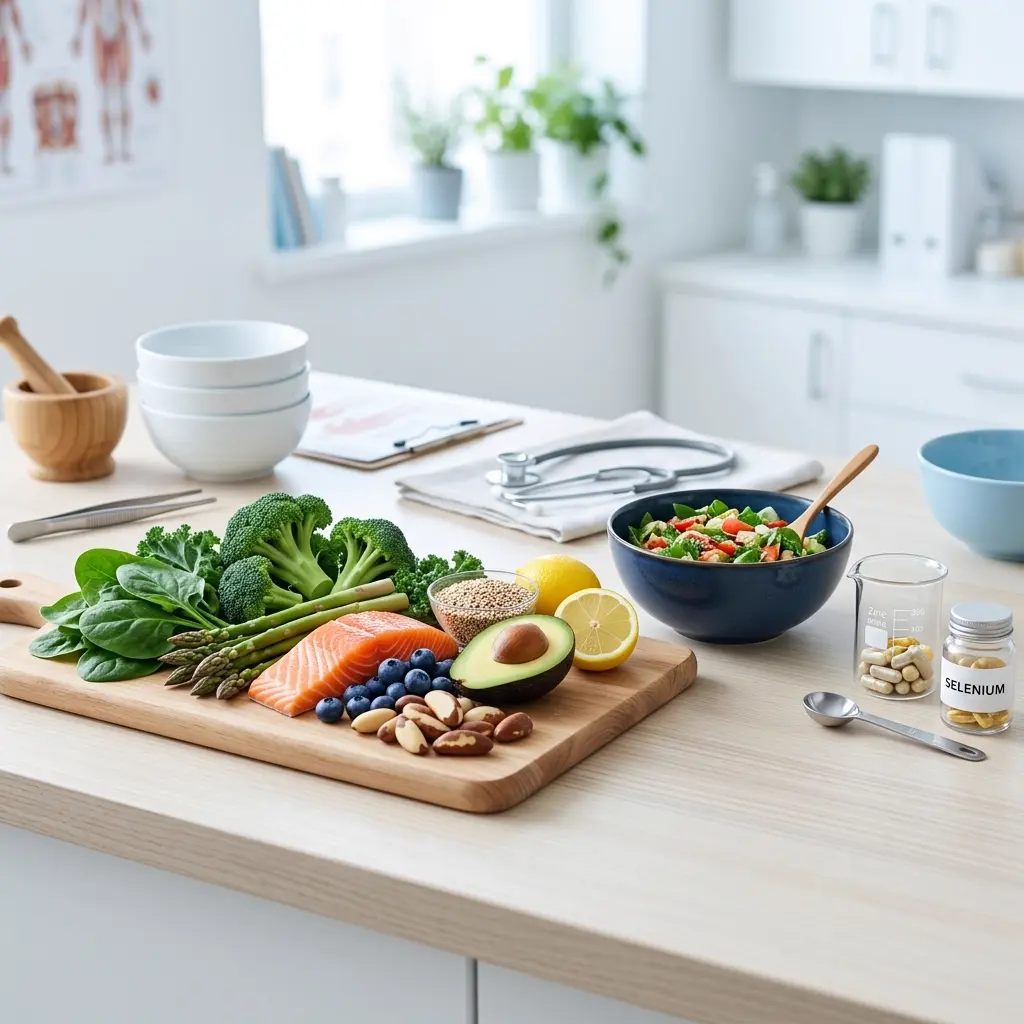
What is Hashimoto's Thyroiditis?
Hashimoto's thyroiditis is the most common autoimmune disease of the thyroid gland. The immune system produces antibodies (TPO-Ab, thyroglobulin-Ab) that attack and gradually destroy thyroid tissue. The result is chronic hypothyroidism (underactive thyroid) with symptoms including fatigue, weight gain, hair loss, cold sensitivity, and depressive mood.
Women are 7–10 times more commonly affected than men. Genetic factors and environmental triggers — including diet — play a decisive role in disease progression.
The 6 Most Important Nutritional Principles for Hashimoto's
1. Selenium — the Most Critical Trace Element
The thyroid gland has the highest selenium concentration of all body tissues. Selenium is indispensable for:
- Synthesis of thyroid hormones T3 and T4
- Activation of deiodinase enzymes (T4 → T3 conversion)
- Protection against oxidative stress in thyroid tissue
Studies: 200 µg selenium daily significantly lowered TPO antibodies (Duntas et al., multiple RCTs). Best sources: Brazil nuts (1–2/day = approx. 100–200 µg), fish, meat.
2. Iodine — Important, But in Moderation
Iodine is essential for thyroid hormone synthesis. However, in Hashimoto's the evidence is complex: excessive iodine intake can exacerbate the autoimmune response (TPO activation by iodine). Recommendation: iodized foods in moderate amounts (DGE reference value: 150–200 µg/day), no high-dose iodine supplements without medical supervision.
3. Gluten-Free — Worthwhile for Hashimoto's?
Celiac disease and Hashimoto's have significant comorbidity (up to 30% of Hashimoto's patients have celiac disease or NCGS). Since gliadin (wheat protein) has structural similarity to thyroid tissue (molecular mimicry), avoiding gluten may lower TPO antibodies in some affected individuals.
Recommendation: Test gluten-free diet for 3–6 months, monitor antibody levels.
4. Anti-Inflammatory Nutrition
- Omega-3 fatty acids (EPA/DHA) — inhibition of arachidonic acid cascade
- Turmeric, ginger — natural anti-inflammatories
- Polyphenols from berries, olive oil, green tea
- Fermented foods (kefir, sauerkraut) — microbiome optimization
5. Vitamin D — Frequently Deficient in Autoimmune Conditions
Vitamin D deficiency (< 20 ng/ml) correlates with increased autoimmune activity. Vitamin D regulates T-regulatory cells (Tregs) that dampen excessive immune reactions. Target: 40–60 ng/ml (25-OH-D in serum). Supplementation is usually required.
6. Cruciferous Vegetables — With Caution
Broccoli, cabbage, and kohlrabi contain glucosinolates that in raw form can inhibit thyroid iodine uptake. With adequate iodine supply and when cooked (glucosinolates are deactivated by heat), this is unproblematic.
Hashimoto Food Checklist
Recommended: Wild salmon, sardines, Brazil nuts, leafy greens, berries, olive oil, turmeric, fermented foods, legumes
Avoid/Reduce: Gluten (during test phase), ultra-processed foods, excessive raw cruciferous vegetables, alcohol, sugar
Conclusion
Nutrition can significantly influence Hashimoto's disease course. Nutrion creates a personalized plan that considers your selenium status, vitamin D levels, and individual antibody values.