Gut Health and the Microbiome: How Nutrition Shapes Your Inner Ecosystem
The gut microbiome and its role in health, immune function and brain: how prebiotics, probiotics and fiber positively influence the microbiome.
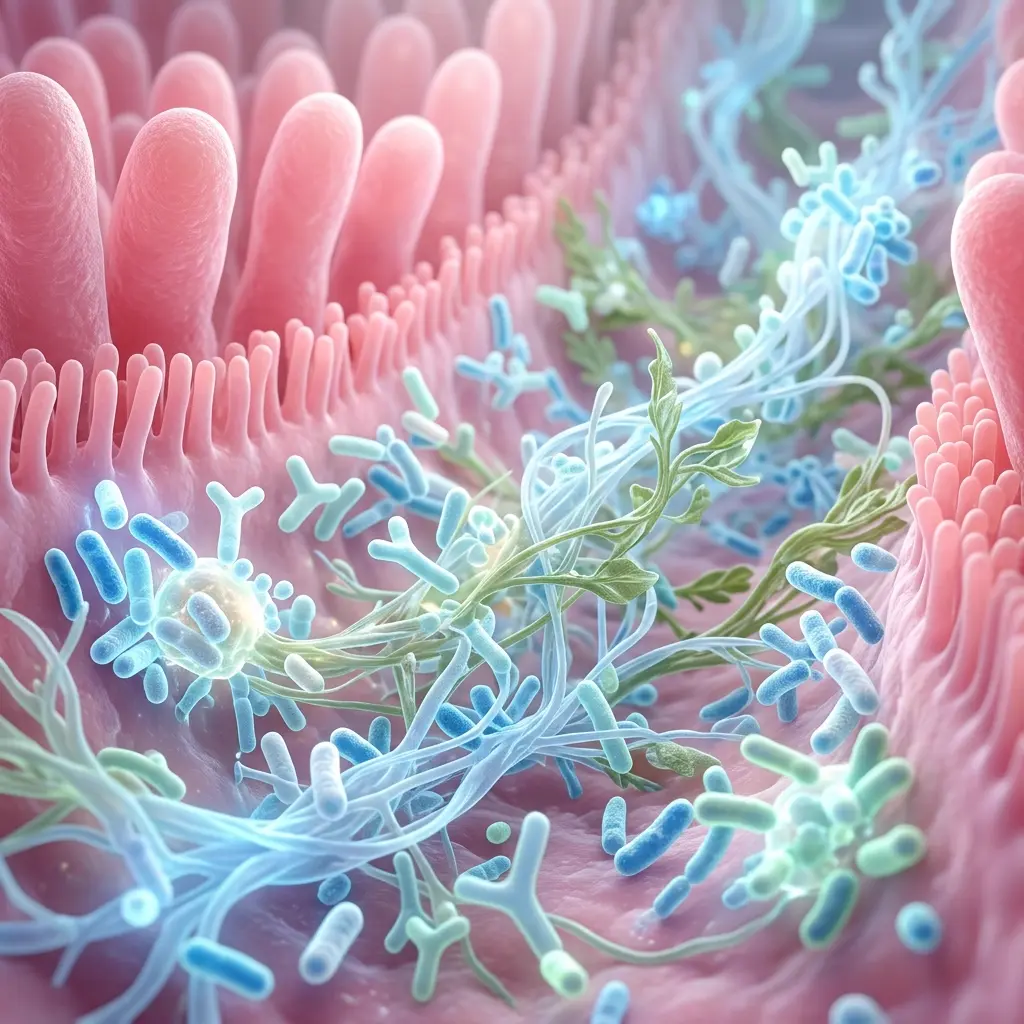
The Gut Microbiome: Our Inner World
The human gut microbiome encompasses over 100 trillion microorganisms — more cells than the human body itself possesses. With a total weight of approximately 1.5 kg and over 1,000 different bacterial species (primarily Firmicutes and Bacteroidetes), it is one of nature's most complex ecosystems.
What the microbiome does:
- Digestion of fiber → production of short-chain fatty acids (SCFAs: butyrate, propionate, acetate)
- Synthesis of vitamins (K2, B12, folate, biotin)
- Development and regulation of the immune system (70% of immune cells reside in the gut)
- Protection against pathogens (colonization resistance)
- Communication with the brain via the Gut-Brain Axis
The Gut-Brain Axis: Gut as Second Brain
The gut contains approximately 500 million neurons (enteric nervous system) and is therefore called the "second brain." The bidirectional communication with the brain occurs through:
- Vagus nerve (direct neural channel)
- Neurotransmitters: Approximately 90–95% of the body's serotonin is produced in the gut
- Immune mediators: Cytokines that influence the CNS
- Metabolites: SCFAs and other microbial products that cross the blood-brain barrier
Dysbiosis (disrupted microbiome) correlates with:
- Depression and anxiety disorders
- ADHD and autism spectrum disorders
- Parkinson's disease (microbiome signatures visible years before clinical diagnosis)
Nutrition as the Most Powerful Microbiome Tool
Prebiotics: Food for Good Bacteria
Prebiotics are indigestible food components that selectively stimulate growth of health-promoting bacteria.
Key prebiotics and their sources: | Prebiotic | Sources | |---|---| | Inulin | Chicory, artichokes, onions, garlic | | FOS (Fructooligosaccharides) | Asparagus, bananas (unripe), leeks | | Beta-Glucan | Oats, barley, mushrooms | | Resistant Starch | Cooled potatoes, green bananas, cooked and cooled rice | | Pectin | Apples, berries, citrus fruits |
Probiotics: Introducing Live Bacteria
Probiotics are live microorganisms that confer health benefits in sufficient quantities.
Evidence-based applications:
- Lactobacillus rhamnosus GG — proven efficacy in traveler's diarrhea and antibiotic-associated diarrhea
- Bifidobacterium longum — improvement in irritable bowel syndrome
- Saccharomyces boulardii — in C. difficile infections and with antibiotic use
Natural probiotic sources:
- Natural yogurt, kefir, sauerkraut (naturally fermented, unpasteurized), tempeh, miso
Soluble vs. Insoluble Fiber
Not all fiber works the same way:
- Soluble fiber (oats, legumes, apples, flaxseed) is fermented in the colon and is the real "food" for good bacteria → more short-chain fatty acids.
- Insoluble fiber (wholegrains, vegetable skins, nuts) mainly speeds gut transit and adds stool volume.
A microbiome-friendly diet needs both — easiest through varied plant-based whole foods.
Fermented Foods: Probiotics from the Kitchen
A small daily portion of fermented food is one of the simplest levers for a diverse gut flora. Important: naturally fermented and unpasteurized — pasteurized supermarket products often no longer contain live cultures.
- Yogurt & kefir – ideally unsweetened; kefir offers the greatest strain diversity
- Sauerkraut & kimchi – raw, not heated (heat kills the cultures)
- Miso, tempeh, natto – fermented soy foods
- Kombucha – fermented tea, watch the sugar content
Tip: add ferments after cooking, don't boil them.
The 30-Plant Rule: Diversity Beats Quantity
Perhaps the most important finding in microbiome research: not the amount but the variety of plant foods determines microbiome diversity. A useful rule of thumb is 30 different plant types per week — herbs, spices, nuts, seeds and legumes all count.
How to get there:
- Combine different colors (each color = different polyphenols)
- Legumes 3–4×/week (lentils, chickpeas, beans)
- A handful of nuts/seeds daily
- Herbs & spices count too — parsley, turmeric, cinnamon, oregano
A Microbiome-Friendly Day (Example)
- Breakfast: Overnight oats with berries, flaxseed and a dollop of natural yogurt
- Lunch: Buddha bowl with chickpeas, colorful vegetables, wholegrains and fermented kraut
- Snack: An apple + a handful of walnuts
- Dinner: Lentil-vegetable curry with wholegrain rice (cooled & reheated = resistant starch)
Result: over 15 plant types, soluble + insoluble fiber, prebiotics, probiotics and resistant starch in a single day.
Dysbiosis Triggers: What Harms the Microbiome
- Antibiotics: Drastic reduction in microbiome diversity, often months of recovery
- Ultra-processed foods: Emulsifiers (carrageenan, polysorbate 80) damage the intestinal mucosa
- Sugar-rich diet: Promotes Candida and pathogenic bacteria
- Chronic stress: HPA axis activation → altered gut motility and microbiome composition
- Sleep deprivation: Circadian dysregulation of the microbiome
Frequently Asked Questions About Microbiome Nutrition
How long does it take to improve the gut microbiome?
First changes in bacterial composition are measurable after just 2–4 days of a changed diet. For a stable, diverse gut flora, keep the fiber- and plant-rich diet long term — the microbiome continuously adapts to what it is fed.
Is diet enough or do I need probiotic supplements?
For most people, a varied, fiber-rich diet with fermented foods is the best foundation. Supplements can be useful in specific situations — for example during or after antibiotic treatment — but do not replace a microbiome-friendly diet.
Which foods harm the gut flora the most?
Mainly ultra-processed products with emulsifiers, lots of sugar and little fiber. Excess alcohol, sleep deprivation and chronic stress also reduce microbiome diversity.
What are short-chain fatty acids and why do they matter?
Short-chain fatty acids (especially butyrate) are produced when gut bacteria ferment fiber. Butyrate feeds the gut cells, strengthens the gut barrier and is anti-inflammatory — a key reason why a fiber-rich diet is so healthy.
Conclusion: The Microbiome as a Health Investment
A healthy gut microbiome is the foundation for immune health, mood, and metabolism. Nutrion analyzes your current fiber intake and creates a weekly plan with maximum microbiome benefit.