The Truth About Intermittent Fasting: 7 Fatal Mistakes Almost Everyone Makes
Intermittent fasting promises a lot, but most people fail. Discover the truth behind the hype and avoid the 7 most common mistakes for real success.
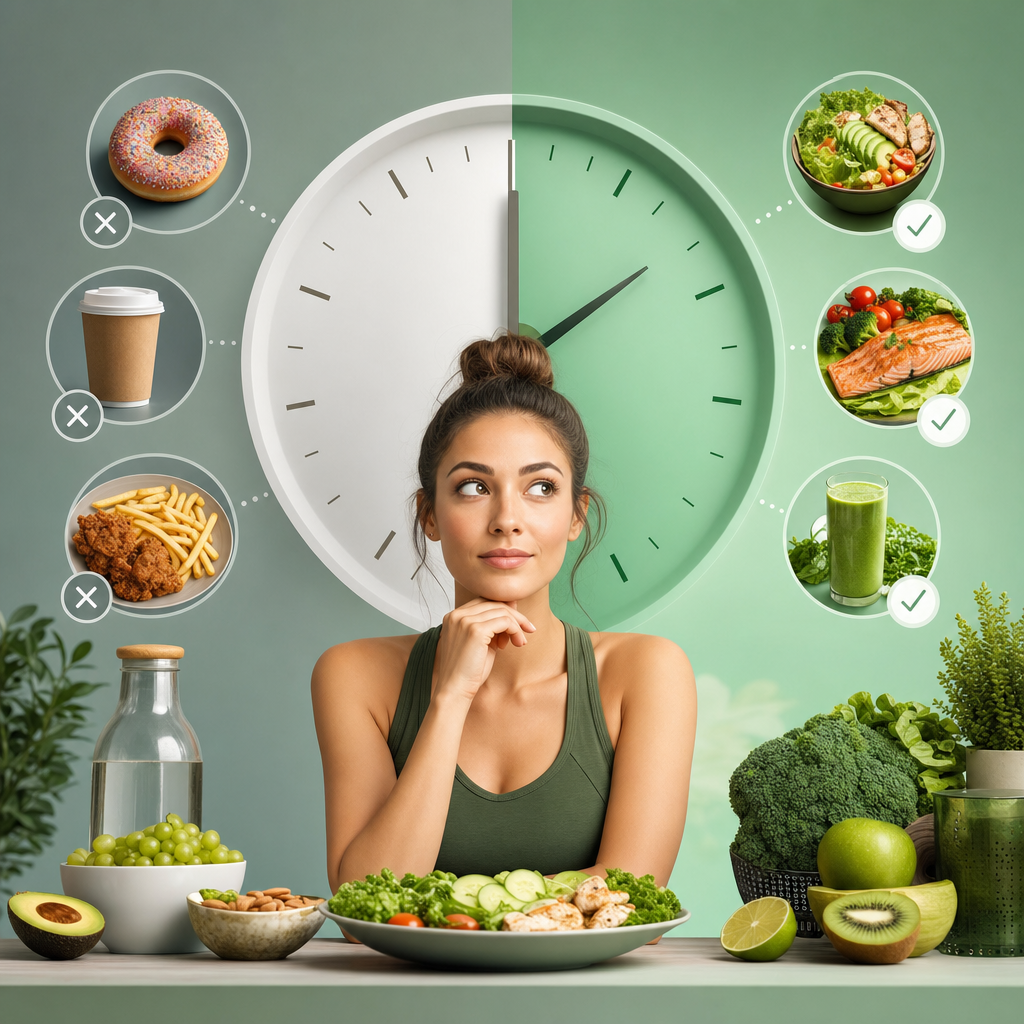
The Legend of Intermittent Fasting: Why You Haven't Succeeded (Yet)
It sounds like the solution to everything: more energy, less weight, a sharper mind. Intermittent fasting is hailed as the holy grail of modern nutrition. But there's a gap between the glossy success stories on Instagram and the stark biological reality.
Many try it. Many fail. They feel sluggish, hungry, lose muscle instead of fat, and give up in frustration. The reason? They fall into traps that are as subtle as they are sabotaging.
This article is different. We're revealing the truth about intermittent fasting and showing you the mistakes you absolutely must avoid. Ready to change the game?
What Is Intermittent Fasting, Really? More Than Just Starving
Forget the idea of eating nothing for days. Intermittent fasting isn't permanent food deprivation. It's a conscious structuring of your day into two phases: an eating window and a fasting window.
The most popular method is the 16:8 model: You fast for 16 hours (including sleep) and consume all your meals within an 8-hour window. For example, you only eat between 12 PM and 8 PM.
The key isn't primarily the reduced calorie count—though that's often a welcome side effect. The real magic happens at a cellular level when your body gets an extended break from constant digestion.
The Hype vs. Reality: What Science Says
When we stop eating, our body shifts into a fascinating repair and efficiency mode. One of the key processes is the lowering of insulin levels. Insulin, the "storage hormone," is released whenever we eat to transport nutrients into our cells. However, constantly high insulin levels block fat burning.
In a fasted state, insulin drops. This signals the body: "Okay, time to tap into our own fat reserves!" Simultaneously, a process called autophagy is ramped up. You can think of it as cellular waste disposal, recycling damaged cell components and thus cleansing and rejuvenating the body from the inside out.
> A 2022 meta-analysis in the Journal of Translational Medicine showed that intermittent fasting can not only lead to significant weight reduction but also improved insulin sensitivity by up to 30% in participants with overweight. This highlights its metabolic potential, which goes far beyond mere calorie loss.
So, science is on the side of fasting. But the theory is useless if the practical application fails.
The 7 Deadly Sins: Mistakes That Sabotage Your Success
This is where the wheat is separated from the chaff. Avoid these seven mistakes, and you'll experience the full benefits of intermittent fasting.
Mistake 1: You Start Too Aggressively
You're motivated and want to go from zero to 16:8? A classic beginner's mistake. Your body is accustomed to a specific eating rhythm. An abrupt change can lead to intense hunger, headaches, and irritability.
The Solution: Start gently. Begin with a 12:12 rhythm (12 hours fasting, 12 hours eating). When that feels good, increase the fasting window by one hour each week until you reach 14:10 or 16:8. Patience is key here.
Mistake 2: You Drink the Wrong Things (and Break Your Fast)
"A little splash of milk in my coffee won't hurt." Wrong. Any calorie, no matter how small, signals to your body that the fasting period is over. This halts fat burning and autophagy.
Allowed during the fast are zero-calorie beverages: water, unsweetened tea, and black coffee. Diet drinks with artificial sweeteners are controversial, as they can trigger an insulin response in some people. Play it safe and avoid them.
Mistake 3: Your Eating Windows Become Junk Food Festivals
This is perhaps the biggest misconception: "I fasted, so now I can eat anything!" An 8-hour window is not a license for pizza, burgers, and ice cream. The quality of your food is more crucial than ever.
Your body needs all the essential nutrients during the eating window to function. If you fill it with empty calories, you'll feel tired and develop cravings. Plus, at the end of the day, the energy balance still matters. To ensure you're optimally nourishing your body without sabotaging your goals, it's helpful to know your needs. With Nutrion's Calorie Calculator, you can determine your actual needs in under 2 minutes.
Mistake 4: You Ignore the Power of Protein and Lose Muscle
If you fast and consume too little protein, you risk breaking down valuable muscle mass. Your body looks for energy sources, and if fat isn't easily accessible, it will turn to muscle.
The truth about intermittent fasting and muscle building is: it's absolutely possible to maintain or even build muscle. The condition: a high protein intake during your eating window. Aim for 1.6 to 2.2 grams of protein per kilogram of body weight, especially if you're working out. To ensure you're getting enough protein, careful planning is important. Nutrion's Macro Calculator helps you find your optimal nutrient ratios.
Mistake 5: You Neglect Electrolytes and Feel Sluggish
Feeling dizzy, headachy, or tired in the first few days? Welcome to the "keto flu" or "fasting flu." The reason is often a lack of electrolytes.
When insulin levels drop, the kidneys excrete more water and, with it, sodium. This loss can lead to an imbalance of essential minerals like sodium, potassium, and magnesium.
The Solution: A pinch of high-quality salt (e.g., Himalayan or sea salt) in your water during the fast can work wonders. Magnesium- and potassium-rich foods in your eating window (nuts, green leafy vegetables, avocados) are also essential.
Mistake 6: Your Timing Doesn't Fit Your Life (and Your Workouts)
There's no magic time for the perfect eating window. The 12 PM to 8 PM window is popular, but if you're an early riser or you work out in the morning, it might not be ideal for you.
Synchronize your fast with your daily life, not the other way around. Do you work out in the morning? Maybe a 10 AM to 6 PM eating window is better. Have important family dinners in the evening? Adjust your window accordingly. Flexibility is crucial. A personalized approach is worth its weight in gold here. Nutrion's AI Nutrition Coach can help you perfectly align your fasting timing with your workouts and daily routine.
Mistake 7: You Don't Listen to Your Body
Intermittent fasting is a tool, not a religion. There are days when you'll feel great. And there will be days when your body signals it needs energy. Don't ignore it.
Especially for women, the menstrual cycle can influence the response to fasting. If you feel lethargic for an extended period, your sleep suffers, or you experience extreme hunger, it might be time for a break or an adjustment to your window. Your well-being always comes first.
Your Roadmap to Success: Intermittent Fasting, Done Right
Now you know the pitfalls. Let's pour this into a clear, actionable plan:
- Choose your method: Start with 12:12 and slowly work your way up to 14:10 or 16:8. Find what works for YOU.
- Hydrate smartly: Drink plenty of water, black coffee, or unsweetened tea during your fast. Add a pinch of salt if you feel sluggish.
- Plan your nutrients: Your eating window isn't an excuse for poor food choices. Prioritize protein, healthy fats, and complex carbohydrates.
- Timing is everything: Set your eating window to fit your social life and workout schedule.
- Listen to the signals: Intermittent fasting should feel good. Adjust it if your body gives you negative feedback.
Conclusion: Is Intermittent Fasting the Miracle Cure for You?
Intermittent fasting isn't a magic trick, but it's an extremely powerful tool when used correctly. It can help you reduce body fat, boost your energy, and improve your health at a cellular level.
The truth about intermittent fasting is that success isn't found in starving, but in smart application. By avoiding the most common mistakes, you'll transform a potentially frustrating process into a sustainable and effective strategy for your health.
You now have the knowledge. It's time to do it right.