The Protein Myth Debunked: Why Most Women Get It Wrong and How You Can Truly Benefit
Does protein make women bulky? Do you need shakes? We debunk the biggest myths of high-protein diets for women and show you life-changing facts.
The Protein Lie: Is Your Potential Stuck in Myths?
Grabbing a protein shake after your workout. Eating low-fat quark as the last meal of the day. Nodding knowingly when someone mentions "high protein." Sound familiar? For millions of women, protein has become synonymous with fitness and a healthy lifestyle.
But here's the uncomfortable truth: Many women are navigating the protein jungle with an outdated compass. They are guided by persistent myths, marketing hype, and a fundamental misunderstanding of what this essential macronutrient truly does for the female body.
It's time to clear the air. Forget what you thought you knew. We're debunking the biggest myths about high-protein diets for women and replacing them with hard-hitting facts that can revolutionize your health, your figure, and your well-being.
Myth 1: "Too Much Protein Makes Women 'Bulky'."
This is arguably the most persistent and harmful myth of all. The fear of looking more like a bodybuilder than a woman who feels comfortable in her skin from just one more scoop of protein powder is widespread.
The reality? Biologically, this is simply impossible for the vast majority of women. Building massive mountains of muscle requires one thing above all: a high level of the male hormone testosterone. Women naturally have only a fraction of it.
A high-protein diet won't make you "manly." It will nourish, tighten, and shape your existing muscles. The result isn't a shapeless body, but a defined, strong, and aesthetic silhouette.
The Silent Power: What Protein REALLY Does in the Female Body
The fixation on muscles is a fatal mistake because it overlooks protein's true superpowers. It's the secret conductor of countless processes in your body.
Your Metabolism in Overdrive: The Thermic Effect
Every time you eat, your body uses energy to digest and metabolize the food. This process is called the thermic effect of food (TEF).
Protein is the undisputed champion here. Up to 30% of the calories from protein are burned just for its digestion. For carbohydrates, it's only 5-10%, and for fats, it's a mere 0-3%. A high-protein meal is like a small internal workout for your metabolism.
The Satiety Secret: How Protein Tames Cravings
Do you know that feeling of being hungry again shortly after a meal? You were likely missing the protein anchor. Protein massively influences the hormones that control your hunger and satiety.
It lowers the level of the hunger hormone ghrelin while simultaneously increasing the production of satiety hormones like peptide YY. The result: you feel full and satisfied for longer, and the likelihood of cravings plummets.
More Than Just Biceps: The Building Block for Skin, Hair, and Hormones
Your body isn't just made of muscles. Proteins are the fundamental building blocks for almost everything. They are broken down into amino acids, which your body needs for vital tasks.
- Radiant Skin: Collagen, your skin's structural protein, is made of amino acids. An adequate protein intake is the foundation for elasticity and firmness.
- Strong Hair: The hair protein keratin is also formed from these building blocks.
- Hormonal Balance: Many hormones and enzymes that regulate your entire cycle and well-being are proteins.
A high-protein diet for women is therefore not just a fitness strategy, but an investment in your overall health and radiance.
Is It All in the Dose? How Much Protein Is Optimal for You?
The official recommendation of 0.8 grams of protein per kilogram of body weight is intended for a mostly sedentary person and represents the absolute minimum to prevent deficiency.
For active women who exercise, want to lose weight, or simply want to shape their bodies, this value is far too low. The science is largely in agreement here:
A range of 1.2 to 1.6 grams of protein per kilogram of body weight is an ideal target for most women. A woman weighing 65 kg should therefore aim for 78 g to 104 g of protein per day.
To determine your personal needs precisely instead of following generic advice, precision is key. The Nutrion Macro Calculator analyzes your goals and provides you with the optimal values for protein, fats, and carbohydrates in seconds.
> A meta-analysis in the Journal of the American College of Nutrition showed that a higher protein intake in women not only supports fat loss but also significantly improves the maintenance of lean muscle mass during a diet. The researchers emphasized that the satiating effect was a key factor for better diet adherence.
Myth 2: "All Protein Sources Are the Same – As Long as It's 'High Protein'."
A protein bar full of sugar and artificial additives is not the same as a piece of grilled salmon. The quality and origin of the protein are crucial.
The Champions League of Proteins: Bioavailability Explained
The key term is biological value or bioavailability. This value describes how efficiently your body can convert protein from a food source into its own body protein.
Animal proteins like eggs, dairy products, meat, and fish generally have a higher biological value because their amino acid profile is very similar to that of humans. They are considered “complete” proteins.
Plant-Based Power, Combined Correctly
Plant-based proteins often lack one or more essential amino acids. But that's not a problem! By cleverly combining different plant sources, you can easily create a complete amino acid profile.
The best protein sources at a glance:
- Animal-Based Champions: Lean poultry, salmon, eggs, Greek yogurt, low-fat quark, cottage cheese.
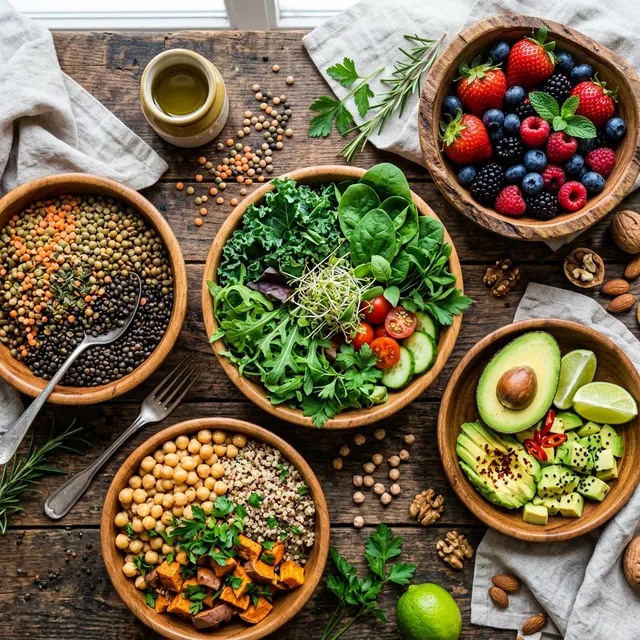
- Plant-Based Powerhouses: Lentils, chickpeas, black beans, tofu, tempeh, edamame, quinoa, hemp seeds.
Myth 3: "Without a Post-Workout Protein Shake, It's All for Nothing."
The myth of the "anabolic window," a 30-minute timeframe after exercise in which you absolutely must consume a shake, is scientifically outdated.
Studies now show that this "window" is open for several hours. Far more important than perfect timing is the total amount of protein you consume throughout the day.
A shake can be a convenient option when you're in a hurry. But it is by no means a necessity. A wholesome meal with chicken and rice or quark with fruit serves the same purpose—often even better, because it provides more nutrients and greater satiety.
Your Personal Protein Roadmap: Strategies You Can Use Today
Knowledge is good, but implementation is everything. With these simple strategies, you can effortlessly integrate more high-quality protein into your daily life.
The Breakfast That Powers You Through the Day
Swap the jam-on-toast or sugary cereals for a protein kick. Greek yogurt with berries and nuts, scrambled eggs with spinach, or a smoothie with protein powder will keep you full and focused until lunch.
Smart Snacks to Beat the Afternoon Slump
Instead of reaching for a sugary granola bar or pastry, choose a snack that keeps your blood sugar stable. A handful of almonds, a hard-boiled egg, a small cup of cottage cheese, or a few slices of turkey breast are excellent options.
Every Meal Counts: The Protein Anchor
When planning your meals, always think about the protein source first. Build your lunch and dinner around a piece of fish, meat, tofu, or a large portion of legumes. The vegetables and complex carbohydrates are the delicious and important side dishes.
If you're unsure how to turn these principles into a concrete plan tailored to your daily life, intelligent technology can help. The Nutrion AI Nutrition Coach creates a personalized roadmap for you and supports you on your journey to your goals.
Conclusion: Break Free from the Myths
The high-protein diet for women is not rocket science, and it's certainly no reason to worry about bulky muscles. It's one of the most effective and straightforward strategies to shape your body, boost your metabolism, control cravings, and improve your overall well-being.
Say goodbye to the myths. See protein for what it is: the most powerful ally for your health, your energy, and your strength. It's not about becoming a bodybuilder—it's about becoming the best and most vibrant version of yourself.