The Protein Protocol: The Unfiltered Truth About Massive Gains & How Much Protein You Actually Need
Stagnating at the gym? Your protein intake could be the culprit! Discover the science-backed formula for massive gains and shatter your plateaus.
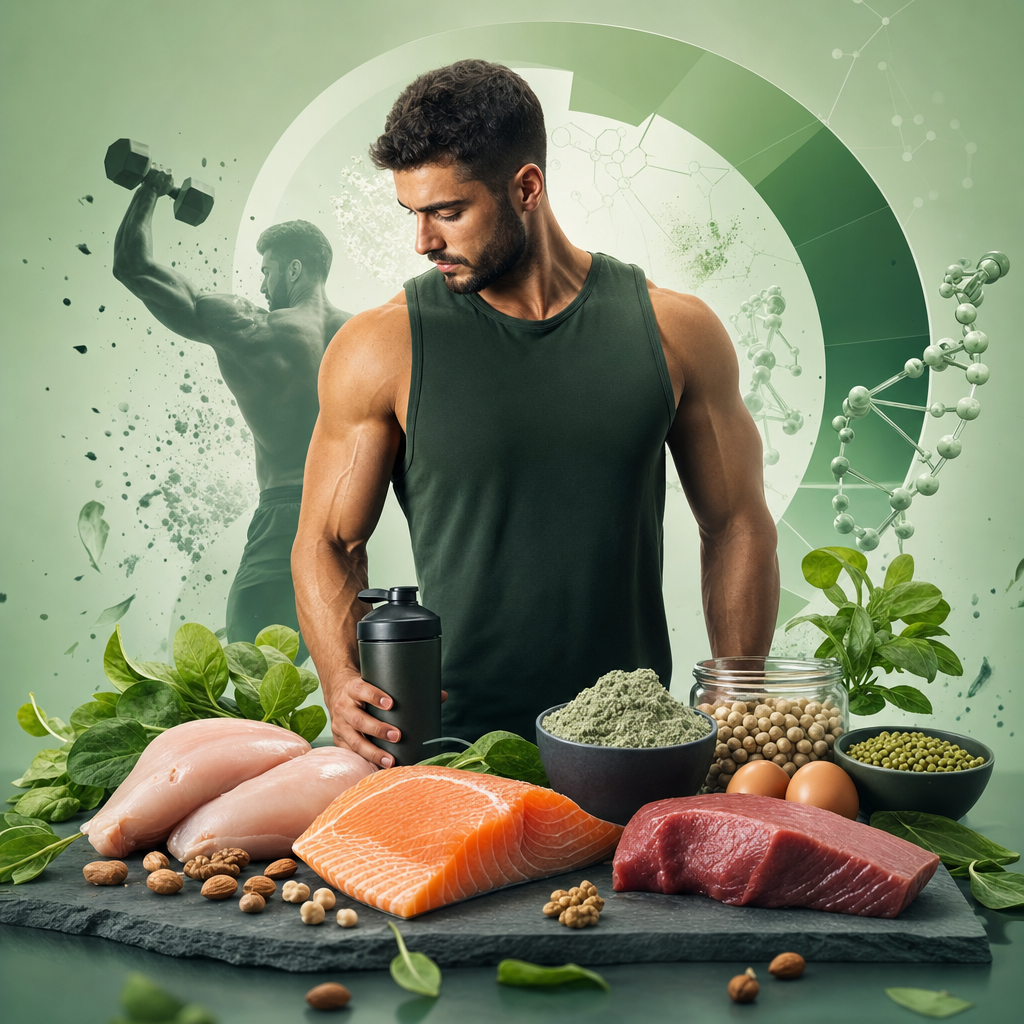
Massive Gains: The Ultimate Formula for Your Protein Intake
You train hard. You're disciplined. But a look in the mirror reveals a frustrating truth: Your muscles just aren't growing the way they should. You've hit a plateau that feels like a concrete wall.
Sound familiar? Then this article is for you. Because the solution often isn't more sets or heavier weights, but one of the most fundamental building blocks of success: Protein.
But how much is truly optimal? We're busting the myths and giving you a science-backed, practical guide for your nutrition.
Why Protein is Your Most Important Training Partner
Picture your muscles as a brick wall. Every workout creates small tears in this wall. Protein, or more specifically, the amino acids it contains, are the bricks that not only fill these gaps but also rebuild the wall stronger and thicker than before.
This process is called Muscle Protein Synthesis (MPS). Without enough protein building blocks, MPS can't run efficiently. Your body can't respond to the growth stimuli from your training. The result: Stagnation.
The Magic Number: How Many Grams of Protein Do You Actually Need?
Forget the old bodybuilding myths of 3 or 4 grams of protein per kilogram of body weight. Modern science is surprisingly unified on this and provides a clear, effective range.
For ambitious bodybuilders aiming for massive gains, the sweet spot is 1.6 to 2.2 grams of protein per kilogram of body weight per day.
If you're in a cutting phase to reduce body fat, you should aim for the higher end of this range. The extra protein helps protect your hard-earned muscle from being broken down.
> Scientific Deep Dive: A landmark meta-analysis by Schoenfeld et al. (2018) in the British Journal of Sports Medicine concluded that a protein intake of approx. 1.6 g/kg daily is sufficient to maximize muscle hypertrophy in trained individuals. Additional gains from higher intake were marginal, but potentially beneficial for muscle preservation during a calorie deficit.
Want to determine your personal needs exactly? The Nutrion Macro Calculator will calculate the optimal distribution of protein, fats, and carbohydrates for your goal in seconds.
The Timing: When Your Muscles Are Hungriest
For a long time, the "anabolic window" immediately after a workout was considered the holy grail. The truth is a bit more relaxed, but not unimportant.
The total amount of protein distributed throughout the day is the crucial factor. Your body isn't stupid; it doesn't just wait 30 minutes for building materials.
Nevertheless, it's a smart strategy to consume a protein-rich meal about 1-2 hours before and after your workout. This ensures a continuous supply of amino acids is available for your body's recovery.
A high-quality post-workout shake can be a convenient and quick solution here, but it's not a must.
Not All Protein is Created Equal: The Art of Choosing the Right Sources
The quality of your protein is determined by its amino acid profile and its biological value. Your body needs all the essential amino acids to build muscle. Some sources deliver them on a silver platter.
The Protein Champions
Here are the absolute top sources for bodybuilders:
- Whey Protein: Fast-digesting, perfect post-workout.
- Casein Protein: Slow-digesting, ideal before bed.
- Eggs: The gold standard of protein with an extremely high biological value.
- Lean Meat: Chicken, turkey, and beef are classics.
- Fish: Salmon and tuna, in particular, also provide healthy omega-3 fatty acids.
- Low-Fat Quark: A casein bomb and a real game-changer.
Plant-Based Power: Can You Build Muscle as a Vegan?
Absolutely! The challenge is to cover all essential amino acids. The solution is smart combining.
For example, combine lentils with rice, beans with corn, or use high-quality plant-based protein sources like soy (tofu, tempeh), quinoa, or pea protein isolate. A well-planned vegan diet is in no way inferior for muscle building.
Your Battle Plan for Massive Gains: Real-World Application
Knowledge is only half the battle. Now it's time for execution. The pros' strategy is simple but brutally effective.
The Art of Protein Distribution
Instead of two or three huge meals, you should split your optimal protein intake for bodybuilders into 4 to 5 smaller meals spaced 3-4 hours apart.
Each of these meals should contain about 20-40 grams of high-quality protein. This keeps your muscle protein synthesis constantly elevated—essentially a 24/7 muscle-building signal.
Smart Tools for Your Success
Hitting the exact amount and keeping track can be overwhelming at first. This is where technology comes in.
A digital food diary from Nutrion is the most powerful tool to track your intake precisely and ensure you hit your target every day.
For the next step, a custom plan that considers your training, preferences, and goals, a personal coach can make all the difference. The Nutrion AI Nutrition Coach creates a dynamic plan that adapts to your progress—the future of coaching.
Conclusion: It's Simpler Than You Think
Massive gains aren't rocket science. They are the result of hard work and an intelligent nutritional strategy based on scientific facts.
Stick to the formula of 1.6 to 2.2 grams of protein per kilogram of body weight, focus on high-quality sources, and distribute your intake smartly throughout the day.
Stop guessing. Start calculating, tracking, and eating strategically. Your muscles will thank you for it—with growth you can see and feel.