Mastering Macro Balance for Peak Performance
Unlock peak performance by mastering macro balance. Practical tips, science-backed ratios, and AI-driven planning for sustained energy and results.
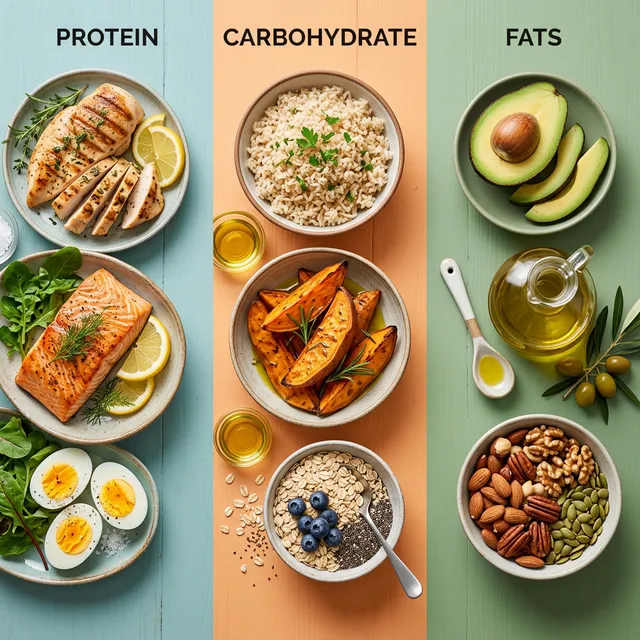
In the world of elite training and high-stakes performance, nutrition often serves as the silent competitive edge. Mastering Macro Balance for Peak Performance is not about chasing every new fad; it is about understanding the science of macronutrients and translating it into practical, sustainable routines that fuel workouts, accelerate recovery, and sustain focus through long days of training and competition. This guide, designed for athletes, coaches, and curious enthusiasts, blends evidence-based nutrition principles with modern AI-assisted planning to help you optimize your macros with confidence.
Why Macro Balance Matters for Peak Performance
- Energy Availability and Training Adaptation: Macronutrients provide the fuel and substrates for muscle repair, neurotransmitter synthesis, and immune function. When balance is off, energy dips, slower recovery, and impaired performance follow.
- The Role of Protein, Carbs, and Fat: Each macronutrient serves distinct, essential roles. Protein supports muscle protein synthesis and tissue repair; carbohydrates replenish glycogen stores and sustain high-intensity efforts; fats provide long-lasting energy, hormonal support, and nutrient transport.
- Individual Variability: Factors such as sex, age, body composition, sport, training load, and menstrual status influence optimal macro distribution. A personalized approach, informed by data (activity trackers, weight trends, performance metrics), outperforms one-size-fits-all plans.
> Tip: Treat macro balance as a flexible framework rather than a strict rulebook. Seasonality, training phase, and daily variability require adaptive strategies.
The Macronutrient Roles in Depth
Protein – The Repair and Adaptation Engine
- Functions: Muscle protein synthesis, connective tissue repair, immune function, enzyme production.
- How much: Typical ranges for athletes vary from 1.6 to 2.2 grams per kilogram of body weight per day, depending on training intensity and goals.
- Timing: Distribute protein across meals (and snacks) to maximize muscle protein synthesis, roughly every 3–4 hours.
- Sources: Lean meats, dairy, eggs, legumes, tofu, tempeh, seafood, and protein powders when convenient.
- Common pitfalls: Skipping protein post-exercise, under-consuming after hard sessions, relying on protein shakes alone without real meals.
Carbohydrates – Fuel and Performance Reservoir
- Functions: Glycogen replenishment, brain energy, endurance and high-intensity performance support.
- How much: Carbohydrate needs range from 3–7 g/kg/day depending on training load; endurance athletes may require higher amounts during heavy cycles.
- Timing: Front-load before long sessions; include a post-workout carb window to restore glycogen; use smaller, steady intakes during prolonged events.
- Sources: Whole grains, fruits, vegetables, legumes, dairy, starchy vegetables, and sports drinks or gels for workouts.
- Common pitfalls: Low-carb trends during heavy training without compensating energy needs; sporadic refueling after workouts.
Fats – The Endurance and Recovery Backbone
- Functions: Long-term energy, fat-soluble vitamin absorption, and hormonal health.
- How much: Generally 20–35% of daily calories, but quality matters; focus on unsaturated fats and omega-3s.
- Timing: Fats can be less ideal immediately around very high-intensity sessions; keep fat intake balanced around training to avoid gut discomfort.
- Sources: Fish, avocados, nuts, seeds, olive oil, chia and flax seeds.
- Common pitfalls: Over-reliance on fried foods, excessive saturated fats, or cutting fats too low, which can impair training adaptation.
How to Build a Masterful Macro Balance Plan
Step 1 — Define Your Baseline and Goals
- Determine daily energy needs using a reliable method (Mifflin-St Jeor equation or resting metabolic rate with an activity multiplier).
- Set macro targets aligned with goals: performance, body composition, recovery, or a combination.
- Establish a realistic daily and weekly plan to avoid dramatic fluctuations.
Step 2 — Establish a Flexible Macro Framework
- Create a baseline ratio that suits most training days (for many athletes: 1.6–2.2 g/kg protein, 3–5 g/kg carbohydrate on moderate days, fats to fill remaining calories).
- Build a “training day” plan that emphasizes more carbs around intense sessions and a “rest day” plan with relatively lower carbs.
- Use a ratio-friendly approach: protein 20–35%, carbohydrates 40–60%, fats 20–35% depending on sport and preferences.
Step 3 — Timing, Not Just Totals
- Pre-workout: 1–2 hours before exercise, a mix of carbs and moderate protein for steady energy.
- Post-workout: Focus on protein (20–40 g) and carbohydrates to replenish glycogen and kickstart recovery.
- Intra-workout (long sessions): Carbs every 30–60 minutes to sustain performance.
- Evening: Include protein and moderate fats to support overnight repair.
Step 4 — Personalize with AI and Data
- Use wearable data (HRV, sleep, objective performance) to adjust macros in real time or week-to-week.
- Leverage AI planning tools to tailor macro targets to your training plan, progress, and appetite signals.
- Keep a simple log to track intake quality, not just calories.
Step 5 — Accessibility and Sustainability
- Plan meals that fit your schedule and culture. Convenience should not compromise quality.
- Include a mix of whole foods and convenient options (whole-food meals, ready-to-eat options, supplements where appropriate).
- Build a flexible plan with 1–2 “big meals” and several quality snacks to reduce decision fatigue.
Practical Application — A 7-Day Macro Balance Blueprint
Day Type 1 — High-Intensity/Power Day
- Protein: 2.0 g/kg
- Carbs: 5–7 g/kg (higher on heavy training days)
- Fat: 20–30%
- Sample meals:
- Breakfast: Greek yogurt parfait with berries and granola
- Lunch: Chicken quinoa bowl with veggies and olive oil drizzle
- Snack: Banana with peanut butter
- Dinner: Salmon, sweet potato, steamed greens
- Key focus: Glycogen replenishment and muscle repair immediately post-workout.
Day Type 2 — Moderate Training Day
- Protein: 1.6–2.0 g/kg
- Carbs: 3–5 g/kg
- Fat: 25–35%
- Sample meals and timing adjusted to reflect lower training load, ensuring energy balance and satiety.
Day Type 3 — Rest/Active Recovery Day
- Protein: 1.6–2.0 g/kg
- Carbs: 2–3 g/kg (lower end to match reduced activity)
- Fat: 30–40%
- Focus on nutrient-dense meals to support recovery and immune function.
Tools and Techniques for Mastering Macro Balance
AI-Driven Planning for Precision Nutrition
- AI meal-planning apps can suggest macro targets, recipes, and grocery lists aligned with your training schedule.
- Real-time feedback: Track energy levels, performance metrics, sleep, and mood to adjust macronutrient targets.
- Pros: Personalization at scale, saves time, reduces decision fatigue.
- Cons: Requires consistent input data and occasional calibration.
Meal Timing Frameworks That Work
- Breakfast-to-bed cycle: Plan protein across 3–5 meals with balanced carbs and fats.
- Pre- and post-workout windows: Align meals with training to maximize energy availability and recovery.
- Snacks with purpose: Use snacks to bridge longer gaps or to meet targets after late sessions.
Grocery Shopping and Meal Prep Strategies
- Batch-prepare protein portions, carbs, and veg for efficient daily meals.
- Rotate protein sources to ensure complete amino acid profiles and micronutrient variety.
- Use a color-coded plate model: protein (pink), carbs (blue), fats (green) with vegetables (non-starchy) as the base.
Common Mistakes to Avoid
- Overemphasis on one macronutrient: Even high-protein hype can disrupt energy and performance if carbs are chronically low for endurance needs.
- Ignoring hydration and micronutrients: Electrolytes, minerals, and water influence performance as much as macros.
- Not adjusting for training loads: Week-to-week variability requires flexibility; rigid plans fail under heavy weeks.
- Failing to account for digestive comfort: Timing and portion sizes can influence gut comfort and performance.
- Neglecting individual differences: Genetics, gut microbiome, and training history matter; tailor plans accordingly.
Measuring Success — How to Know You Are Mastering Macro Balance
- Performance markers: Consistent energy during sessions, improved strength, and faster recovery.
- Body composition signals: Stable body weight with favorable changes in lean mass and fat distribution.
- Recovery metrics: Sleep quality, reduced soreness, and stable HRV.
- Satisfaction and adherence: The plan should feel sustainable and enjoyable over time.
FAQs — Quick Answers for Pragmatic Planning
FAQ 1: Do I need to track every macro everywhere every day?
- No. Start with a reliable baseline, then sample days and adjust. Use a simple tracking approach and scale up as needed.
FAQ 2: Can I tailor macros for different training cycles (off-season, in-season)?
- Yes. Increase carbs around heavy training blocks, reduce slightly during deload or rest periods, and adjust protein to preserve lean mass.
FAQ 3: What about supplements?
- Supplements can support macro balance (e.g., whey protein, creatine, omega-3s) but should not replace whole-food meals. Base decisions on evidence, personal tolerance, and sport needs.
Mastering Macro Balance for Peak Performance — A Quick Start Guide
- Step 1: Define daily calorie needs and set initial macro targets for protein, carbs, and fats.
- Step 2: Map macro targets to your training calendar; create a flexible week plan.
- Step 3: Implement a simple meal plan with 3–5 meals, ensuring protein distribution every 3–4 hours.
- Step 4: Use AI-planning tools to refine targets based on data and feedback.
- Step 5: Monitor performance metrics and adjust weekly.
Conclusion — Embrace a Scientific, Flexible Macro Strategy
Mastering Macro Balance for Peak Performance is about marrying science with daily practicality. The macro balance framework gives you a reliable map, while AI-assisted planning injects precision, personalization, and scalability. By understanding the distinct roles of protein, carbohydrates, and fat, by timing intake around training, and by using data to fine-tune targets, you empower your body to perform at its best—consistently, efficiently, and sustainably.
Whether you are a weekend warrior aiming for your personal best, a professional athlete chasing podiums, or a coach seeking a repeatable nutrition blueprint for your squad, the Mastering Macro Balance for Peak Performance approach is your pathway to peak energy, superior recovery, and enduring athletic excellence.
If you found this guide useful, consider integrating it with your existing training logs and AI training assistants to unlock a new level of nutrition-driven performance. The macros you choose today are the fuel that powers your tomorrow’s workouts, races, and achievements.