How AI Accelerates Your Nutrition Success
Discover how AI accelerates your nutrition success with personalized plans, real-time guidance, and smarter decision-making—unlock better health today.
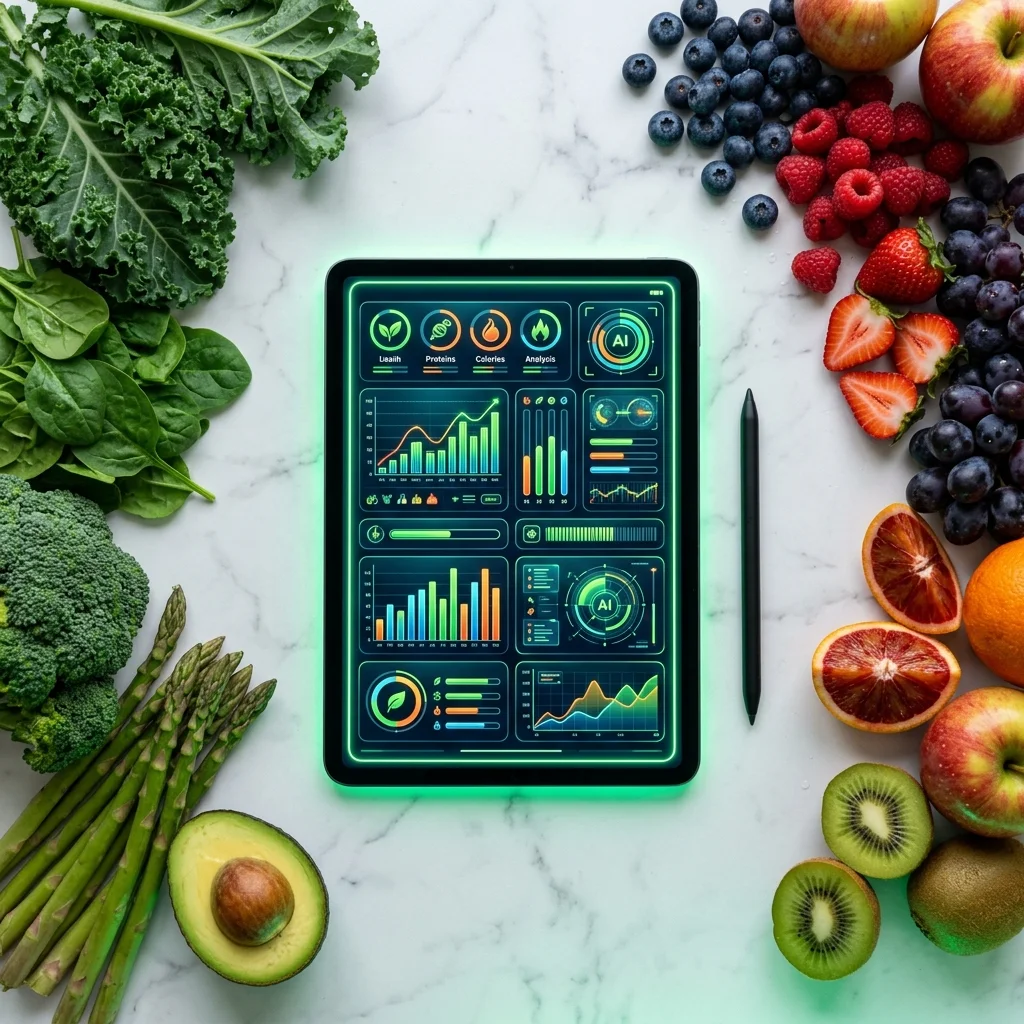
In a world flooded with dietary plans, gym programs, and wellness fads, how can you cut through the noise and truly accelerate your nutrition success? The answer lies in the intelligent integration of AI-powered tools that personalize guidance, optimize choices in real time, and sustain motivation over the long haul. This comprehensive guide explores how AI accelerates your nutrition success, offering practical tips, a step-by-step framework, and evidence-based insights to help you transform data into durable, healthy outcomes.
Why AI is a Game Changer for Nutrition
Artificial intelligence brings three core advantages to nutrition:
- Personalization at scale: AI analyzes your unique biology, preferences, schedule, and history to tailor plans that actually fit your life.
- Real-time feedback and adjustment: Continuous data streams from wearables, food logs, and performance metrics allow AI to adapt recommendations on the fly.
- Behavioral support and accountability: Intelligent nudges, reminders, and coaching modes help sustain adherence and motivation.
When these elements converge, you move from generic guidance to a dynamic, responsive nutrition system that evolves as you do. The result is not just better meals but a healthier relationship with food and health goals.
> How AI Accelerates Your Nutrition Success is not about replacing human judgment; it’s about enriching it with data-driven insight and scalable support.
How AI Accelerates Your Nutrition Success: The Core Mechanisms
AI accelerates nutrition success through several interconnected mechanisms. Understanding these will help you select the right tools and use them with intention.
1) Personalization Engine: One Person, One Plan
- AI builds a detailed profile from:
- Medical history, allergies, and dietary restrictions
- Microbiome-informed insights (where available)
- Activity level, sleep, stress, and hormones
- Food preferences, budget, cultural factors, and cooking capacity
- Output: a customized nutrition plan with daily macros, micronutrient targets, meal timing, and shopping lists.
- Benefit: fewer false starts and faster progress because the plan respects your reality, not someone else’s template.
2) Real-Time Optimization: Adaptation on Demand
- Data sources include:
- Food logs (calorie and macro tracking)
- Wearable devices (heart rate, HRV, activity)
- Glucose or ketone sensors (where applicable)
- Sleep quality and stress indicators
- AI uses machine learning to:
- Adjust calorie targets in response toWeight changes and energy expenditure
- Rebalance macros for training days vs rest days
- Optimize hydration and fiber intake for digestion and satiety
- Benefit: you respond to your body’s signals rather than following a static plan.
3) Behavioral Nudges: Sustaining Momentum
- Types of nudges include:
- Timely reminders before meals or at snack-risk times
- Positive reinforcement for consistency (e.g., streaks and achievements)
- Friction-reduction suggestions (simple recipes or shortcuts)
- AI tailors nudges based on:
- Habit formation phase (new vs. established routines)
- Personal motivators (competition, self-improvement, health signals)
- Benefit: steady adherence and reduced friction in daily life.
4) Predictive Planning: Anticipating Roadblocks
- AI predicts potential adherence gaps from historical data:
- Weekends or busy periods
- Social events and travel
- Seasonal changes in appetite or cravings
- It then preloads alternative meals, snacks, and strategies to maintain progress.
- Benefit: fewer derailments and smoother long-term progress.
5) Insightful Education: Evidence-Based Guidance at Your Fingertips
- AI-curated knowledge streams tailor educational content to your level of understanding and goals.
- It can translate complex nutrition science into practical steps you can apply today.
- Benefit: you grow your health literacy while staying motivated.
How AI Accelerates Your Nutrition Success Tips
To maximize the benefits, integrate AI tools with purposeful human strategies. Here are actionable tips to get started, stay on track, and elevate outcomes.
Tip 1: Start with a Clear, Measurable Goal
- Define SMART goals (Specific, Measurable, Achievable, Relevant, Time-bound).
- Translate goals into AI-ready signals (e.g., “protein target: 120 g/day,” “walk 7k steps daily”).
- Use AI to convert goals into daily action plans and track progress.
Tip 2: Prioritize Data Quality Over Quantity
- Log foods consistently, but focus on accuracy for key metrics (protein, total calories, fiber).
- Ensure wearable data is calibrated and synced regularly.
- Clean data periodically to avoid garbage-in, garbage-out scenarios.
Tip 3: Configure Your AI For Your Lifestyle
- Set preferred meal timing (e.g., 12:00–20:00 window) and cultural foods.
- Choose language and complexity levels for AI explanations.
- Enable or disable certain nudges to prevent fatigue.
Tip 4: Treat AI as a Partner, Not an Overseer
- Use AI recommendations as starting points, and adjust based on real-world feedback.
- Document what works and what doesn’t to improve personalization in future iterations.
- Maintain human oversight for medical conditions, medications, or specialized diets.
Tip 5: Leverage AI for Education and Empowerment
- Ask AI for quick explanations of nutrition concepts you don’t understand.
- Request practical recipes that fit your macros and budget.
- Use AI to simulate “what-if” scenarios (e.g., how a higher protein day affects satiety).
How AI Accelerates Your Nutrition Success Guide: A Step-by-Step Playbook
This guide provides a practical, repeatable framework to implement AI-driven nutrition optimization. Follow these steps to create a long-lasting, data-informed routine.
Step 1: Establish Your Baseline
- Collect baseline metrics: weight, body composition if possible, energy levels, sleep, mood.
- Record current eating patterns and activity level over 1–2 weeks without major changes.
- Identify key constraints (time, budget, cooking skills).
Step 2: Choose the Right AI Toolkit
- Pick an AI-enabled nutrition app or platform that supports:
- Personalization and goal setting
- Real-time feedback and macro/micro tracking
- Behavior analytics and nudges
- Data privacy controls and medical disclaimer features
- Ensure compatibility with devices you already use (phone, smartwatch, glucometer, etc.).
Step 3: Define Your Personal Targets
- Set calories, macros, fiber, micronutrient goals aligned with your health status and activity level.
- Include hydration targets and sleep-related recommendations when relevant.
- Create short-term milestones (2–4 weeks) to test and refine.
Step 4: Implement Daily Routines
- Structure meals to fit your schedule and preferences.
- Use AI-generated grocery lists and meal kits to reduce decision fatigue.
- Schedule regular check-ins with AI prompts to review progress and adjust targets.
Step 5: Analyze and Adapt Monthly
- Review accuracy of AI predictions against actual outcomes.
- Recalibrate goals for weight changes, muscle gain, or fat loss.
- Expand or simplify the plan based on life changes (travel, holidays, illness).
Step 6: Build Long-Term Skills and Knowledge
- Use AI explanations to learn about nutrition concepts, digestion, and metabolism.
- Practice recipe adaptation and batch cooking guided by AI suggestions.
- Foster a growth mindset: treat progress as a learning journey rather than a rigid path.
Step 7: Safeguards, Ethics, and Privacy
- Be mindful of data privacy: read terms of service, encryption standards, and data-sharing policies.
- In medical contexts, maintain oversight from healthcare professionals.
- Avoid over-reliance on AI; balance with personalized medical advice when needed.
Real-World Case Studies: AI in Action
While each person’s journey is unique, several practical examples illustrate how AI can accelerate nutrition success.
Case Study A: A Busy Professional Wins with a Smart Plan
- Situation: A 38-year-old marketing manager with irregular hours and frequent dining out.
- AI role: Built a flexible macro plan, suggested portable meals, and provided dining-out tips that match macro targets.
- Outcome: Consistent protein intake, improved energy, and steady weight maintenance over 12 weeks.
Case Study B: Athlete Optimizes Performance and Recovery
- Situation: A 26-year-old endurance athlete training 6 days a week.
- AI role: Optimized carb cycling, hydration strategy, and recovery windows around long sessions.
- Outcome: Improved race pace, reduced GI distress, and better sleep quality.
Case Study C: Health-Conscious Individual Focuses on Gut Health
- Situation: A 45-year-old person dealing with bloating and irregularity.
- AI role: Monitored fiber intake, introduced fermentable and non-fermentable fiber sources, and track symptoms.
- Outcome: Reduced bloating and improved bowel regularity within eight weeks.
Tools and Platforms: What to Look For
When evaluating AI tools for nutrition, consider the following features and best practices.
- Data integration: Can the platform pull data from multiple sources (food logs, wearables, glucose monitors, CGMs)?
- Personalization depth: Does it create a truly individualized plan or a generic template?
- Actionable outputs: Are meals, recipes, and shopping lists practical and executable?
- Transparency: Can you see how recommendations are derived and adjust parameters if needed?
- Privacy and security: Strong encryption, clear data ownership, and straightforward opt-out options.
Common Pitfalls to Avoid
- Over-reliance on numbers: Taste, enjoyment, and sustainability matter just as much as metrics.
- Ignoring medical context: If you have chronic conditions, use AI guidance as a supplement to professional medical advice.
- Privacy fatigue: Share only what you’re comfortable with; review app permissions regularly.
The Future of AI in Nutrition: Trends to Watch
AI in nutrition is evolving rapidly. Here are emerging trends that could redefine how you approach nutrition success in the next few years.
- Multimodal personalization: AI that combines genomics, microbiome data, and lifestyle metrics for deeper customization.
- AI-guided meal prep and cooking assistants: Voice-enabled guidance, real-time substitutions, and batch cooking optimizations.
- Wearable-enabled nutrition: Sensors that infer hydration status, electrolyte balance, and satiety cues in real time.
- Ethical AI design: Focus on reducing bias, ensuring accessibility, and protecting consumer privacy.
Practical FAQs
- How quickly can AI accelerate nutrition progress?
- Most users start seeing meaningful guidance within two to four weeks, with longer-term improvements as data accumulates.
- Can AI replace a nutritionist?
- No. AI enhances a nutritionist’s capabilities by managing routine tasks, but individualized medical supervision remains important for medical conditions, medications, and complex dietary needs.
- What should I do if AI recommendations conflict with my preferences?
- Use AI as a guide, not a dictator. Adjust targets and recipes to fit your enjoyment and lifestyle while maintaining core health goals.
Final Thoughts: Making AI Your Nutrition Ally
The phrase How AI Accelerates Your Nutrition Success captures a shift from passive dieting to intelligent, personalized, and resilient nutrition planning. By leveraging AI’s personalization engines, real-time optimization, and behavioral support, you create a robust framework that evolves with you. This approach is not about chasing perfect numbers or robotic diets; it’s about crafting an adaptive system that enhances your decision-making, reduces friction, and sustains motivation.
If you’re ready to take the next step, begin by selecting a trusted AI-enabled nutrition toolkit, set clear, measurable goals, and commit to a 4-week trial period. Use the insights from these weeks to refine your plan, deepen your understanding, and gradually turn data into durable health outcomes. Remember: AI accelerates your nutrition success, but your daily choices and consistency are the anchor that makes it real.