Eat Healthy, Save Money: Busting the Superfood Myth!
Think healthy eating is expensive? Think again! Discover how to transform your body with smart, affordable foods. No superfoods required!
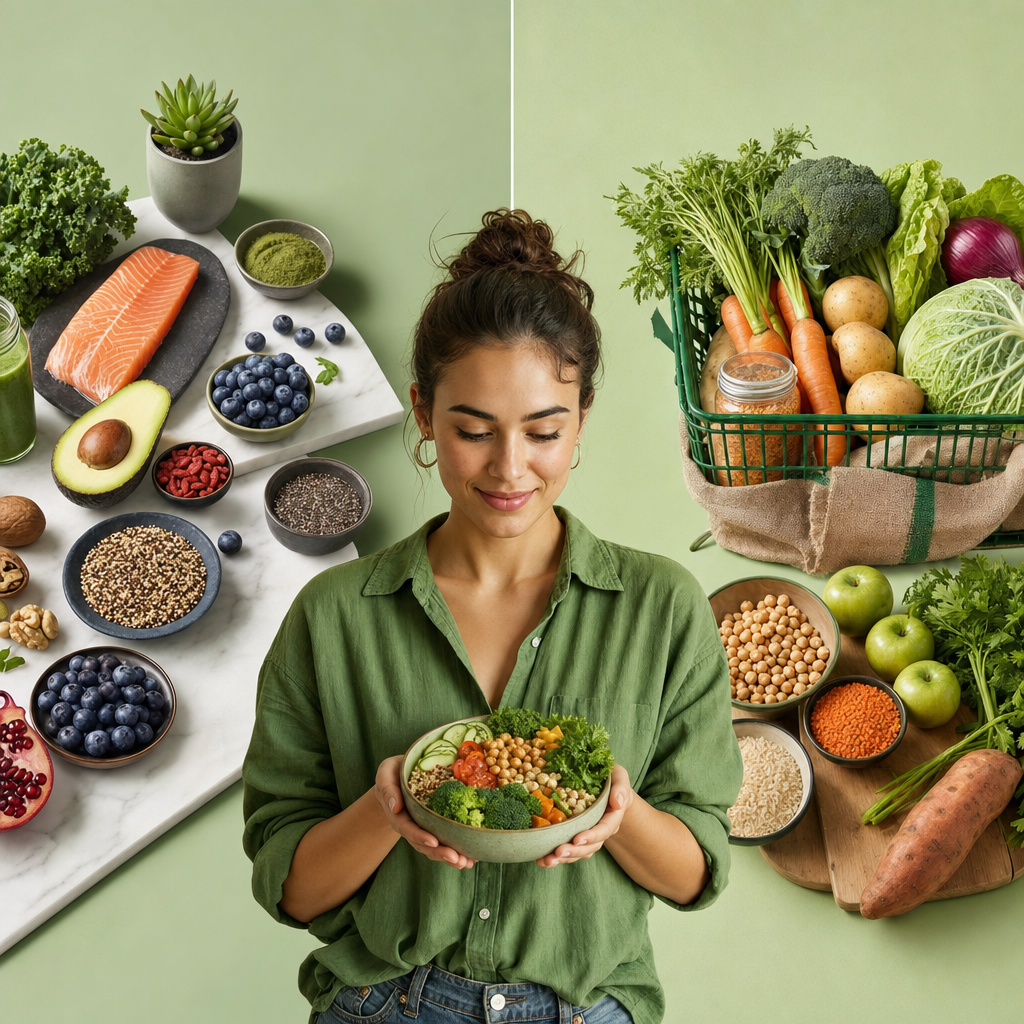
Busting the Superfood Myth: How to Transform Your Body Without Draining Your Bank Account
That sinking feeling when you look at your grocery bill. Living a healthy life? Seems like a luxury you can't afford. Chia seeds for $10, goji berries from the Himalayas, quinoa from the Andes... Stop! This pervasive myth is costing you more than just money; it's costing you the motivation to change. The truth is, the real heroes for your health aren't in the pricey exotic aisle. They're right around the corner—and for a fraction of the cost.
This article is your ultimate guide to a sustainable, science-backed, and budget-friendly dietary transformation. Forget expensive trends and unlock the incredible power of everyday foods. We'll show you how losing weight without being hungry is possible and how to achieve your goals with smart strategies and simple, healthy recipes.
The Superfood Scam: Why Expensive Doesn't Automatically Mean Better
The term 'superfood' is one thing above all: a brilliant marketing tool. It suggests that certain, mostly exotic foods possess magical properties that outshine all others. But nutritional science is clear: no single food can solve all health problems. What's far more important is the overall dietary pattern.
What really counts is the nutrient density relative to the price. Why spend $10 on a small bag of goji berries when a handful of local currants or an apple offers a comparable or even higher concentration of certain vitamins and antioxidants? The key is to know the local champions.
The Foundation: The Real Heroes in Your Supermarket
A successful dietary change is not based on exceptions, but on a solid, daily foundation. Focus on these four pillars, which you can find in any discount grocery store.
Proteins: The Building Blocks of Life (and Satiety)
Proteins are essential for muscle building, hormone production, and countless metabolic processes. Their biggest advantage in the context of losing weight without being hungry: they provide excellent and long-lasting satiety. A protein-rich meal stabilizes your blood sugar levels, prevents cravings, and boosts thermogenesis (the body uses more energy for digestion).
- Budget Champions: Lentils (approx. $2/kg), chickpeas, kidney beans, low-fat quark (approx. $1.50/500g), eggs, oats.
- Forget: Expensive protein shakes, imported edamame, or specialty protein bars.
Complex Carbohydrates: Energy That Lasts
Carbohydrates are not your enemy! It just depends on which ones. Complex carbohydrates from whole grains or starchy vegetables are digested slowly. They provide you with energy for hours, supply your brain with glucose, and contain valuable dietary fiber. This fiber, in turn, feeds your good gut bacteria and ensures long-lasting satiety.
- Budget Champions: Oats (approx. $1/kg), potatoes, brown rice, millet, whole-grain bread.
- Forget: Quinoa (often 3-4x more expensive than millet), pricey low-carb bread mixes, sweet potato toast.
Healthy Fats: Fuel for Your Brain
Fats are vital, especially unsaturated fatty acids. They are building blocks for cell membranes and hormones and help absorb fat-soluble vitamins (A, D, E, K). Omega-3 fatty acids have anti-inflammatory effects.
- Budget Champions: Ground flaxseed (approx. $3/kg, an excellent source of omega-3), canola oil, walnuts (in moderation), sunflower seeds.
- Forget: Avocado toast as a daily ritual, expensive coconut oil for everything, imported macadamia nuts.
Vitamins & Antioxidants: Your Local Shield
This is where our local foods truly shine! Seasonal and locally sourced fruits and vegetables are not only cheaper but often more nutrient-rich because they are harvested ripe and don't have long transport routes.
- Budget Champions: All types of cabbage (kale, white cabbage, red cabbage), carrots, onions, apples, pears, seasonal berries (fresh in summer, frozen in winter).
- Forget: Açaí powder, goji berries, mangosteen extract. Your body doesn't need exotic products; it needs variety.
> Scientific Deep Dive: A landmark study from the Harvard T.H. Chan School of Public Health showed that the greatest positive impact on longevity and the reduction of chronic diseases like type 2 diabetes and heart disease comes not from individual exotic foods, but from a consistent pattern of a plant-based diet focused on legumes, whole grains, and local vegetables. The focus is on the pattern, not the 'magic' single product.
Your 5-Step Plan: How to Start Changing Your Diet
Now let's get practical. Knowledge is good, but implementation is everything. Follow these five steps to change your diet without superfoods and succeed.
- Step: The Power of Planning
The most common mistake is impulse buying at the supermarket when you're at your hungriest. Create an affordable weekly meal plan. Based on that, write a precise shopping list. This not only saves money but also prevents unhealthy snacks from landing in your cart.
- Step: Cook, Don't Buy
Ready-made meals are expensive and full of hidden sugar, unhealthy fats, and additives. Learn to prepare simple, healthy recipes. A large pot of lentil soup costs just a few dollars, provides nutrients for several days, and is incredibly delicious. Meal prepping on Sunday is your best friend for a stress-free week.
- Step: The 80/20 Rule
Perfection is the enemy of progress. Don't forbid yourself anything! If you stick to your healthy, budget-friendly diet 80% of the time, the other 20% is for enjoyment—the pizza with friends, the ice cream in summer. This makes the change mentally sustainable.
- Step: Timing as a Tool – Insights from the Intermittent Fasting Guide
Besides what you eat, when you eat can also play a role. Intermittent fasting, for example, the 16:8 method (16 hours of fasting, an 8-hour eating window), can help the body regulate its digestion and improve insulin sensitivity. It's not a cure-all and isn't for everyone, but it can be a powerful, free tool. It often automatically reduces calorie intake because the eating window is smaller, which helps with weight loss.
- Step: Drink, Drink, Drink
So simple, so effective. Thirst is often mistaken for hunger. Drink enough water or unsweetened tea throughout the day. This fills the stomach, supports your metabolism, and costs next to nothing.
Your Ultimate Nutrition Glossary for Smart Shopping
Use this list as your cheat sheet. Here you'll find the expensive, trendy foods and their equally good, affordable alternatives.
- INSTEAD OF Chia Seeds (approx. $10-15/kg):
- CHOOSE Ground Flaxseed (approx. $3/kg): They even surpass chia seeds in omega-3 fatty acid content and are a local fiber powerhouse.
- INSTEAD OF Quinoa (approx. $8-12/kg):
- CHOOSE Millet or Oats (approx. $1-2/kg): Also provide complex carbohydrates, plant-based protein, and essential minerals like iron and magnesium at an unbeatable price.
- INSTEAD OF Goji Berries (approx. $20-30/kg):
- CHOOSE Local Berries (fresh or frozen, approx. $5-8/kg): Blackcurrants, blueberries, or blackberries are bursting with antioxidants and vitamin C—often in higher concentrations than their exotic relatives.
- INSTEAD OF Açaí Bowl (expensive at cafés or as powder):
- CHOOSE a Low-Fat Quark Bowl with Frozen Berries: An unbeatable combination of high-quality protein that keeps you full for a long time and vitamins from the fruit. When blended, it creates a similar consistency.
- INSTEAD OF Almond Milk (approx. $2-3/liter):
- CHOOSE Oat Milk (often under $1.50/liter) or make it yourself: Homemade oat milk (oats + water + blender) costs only a few cents per liter.
Conclusion: You Are in Control
Healthy eating isn't a matter of money, but of knowledge and planning. You don't have to chase food trends to do something good for your body. The real treasures are often sitting inconspicuously on the shelf, just waiting to be discovered by you.
Start with small steps. Swap one expensive product for a smart alternative. Plan one meal for the upcoming week. You'll quickly notice how not only your body feels better, but also your bank balance. Start today. Your future self will thank you for it.